innocent — and still fighting to be heard

One life.One story.A fight for justice.

Thomas is innocent.The DNA evidence deserves to be heard.

Thomas Aranda, adult portrait.

Thomas Aranda has maintained his innocence of the most serious charge since he was a teenager. DNA expert Dr. Michael J. Spence concluded that the forensic results “substantially exonerated” him: Thomas's DNA was not found on the primary evidence-collection samples. After more than 18 years in prison, he is still fighting for the court to fully confront that evidence.

Thomas Aranda, adult portrait.

Not a number. A son. A friend. A human being. Still here. Still hoping.

16 at the offense•18 at conviction•18+ years incarcerated•10+ years without an infraction•A community still showing up

Watch on YouTube

the central forensic fact

The primary DNA evidence does not tie Thomas to the alleged assault.

Forensic SANE nurse Rachel Fischer — an expert who works prosecution cases, not defense — along with independent DNA expert Dr. Michael J. Spence concluded that the forensic results “Substantially Exonerated” Thomas.

This is the core of Thomas’s case: the forensic evidence was central to the prosecution, and it does not connect him to the assault. The full reports — the independent expert’s affidavit and the crime lab analyst’s own recap — are on the Evidence page.

Thomas Aranda as a young child.
01

before he was a case, he was a kid

Before Thomas became a case number, he was a kid.

Thomas grew up moving — no steady home, no steady guiding hand. His grandmother told the court he took on the values of the older kids around him because they felt like family. He started drinking and using marijuana at 12; he began sampling other substances later on.

None of that excuses harm. It does explain the kid who walked into a courtroom in Chelan County in 2008, and why Washington law now asks courts to look at youth, trauma, and the capacity to change before deciding a young person's future. April 2008. He entered his plea and was convicted in November 2009 at the age of 18, just two months after his birthday and has been incarcerated since 2008.

02

examine it — don't ignore it

His story isn't asking you to ignore the evidence. It's asking you to examine it.

As a juvenile, Thomas spent well over a year in solitary confinement in county jail — no TV, no radio, no one to talk to for months at a time, in his words: “It was torture.” Under that pressure, he entered a guilty plea.

His counsel argue the plea itself raises questions that were never fully heard: the written plea said the agreement depended on the standard range and effective sentence being accurately completed, the bargain contemplated a determinate sentence, and the sentence later became indeterminate without his knowledge. Those are contract and fairness questions for the Court of Appeals — not conclusions this site asks you to take on faith.

At his June 29, 2026 resentencing in Chelan County (Cause No. 08-1234-0), the court imposed a standard-range sentence: a 180-month minimum on Count 1 with a life maximum, plus consecutive firearm enhancements and lifetime supervision — 304 months to life in total. The defense had asked for time served — 18 years, 2 months, and 5 days already served (6,639 days).

The judge commended Thomas's improvement and still found rehabilitation “incomplete” because Thomas has not specifically admitted to Count 1, a count he disputes. Thomas and his counsel argue that conditioning the minimum term on that admission — against a low-risk assessment and the defense record on rehabilitation science — is the central issue for appeal. You do not have to decide the case here. Read the story, see the timeline, and decide whether a second look is warranted.

03

plain language, on the record

What the record shows — and what it doesn't.

The Evidence page walks through the case in plain language: a timeline from 2008 to the June 29, 2026 resentencing, what was agreed and what was contested at that hearing, and the three questions Thomas and his counsel have preserved for appeal. It is a summary, not the record. Where any summary and the certified transcript differ, the transcript controls.

01

Plea agreement

Whether the State's resentencing recommendation honored the agreement.

02

Remorse & rehabilitation

Whether rehabilitation can be conditioned on admitting to a disputed count.

03

Determinate to indeterminate

Whether the plea can stand after the sentence changed without the defendant present.

people change — and change matters

18 years. Still here. Still hoping.

Thomas has served more than 18 years. The last 10+ have been without an infraction. He has completed programming voluntarily, trained as a peer-support counselor, completed a substance-abuse evaluation in 2023, and given back where he can — a Christmas drive, taco handouts for people experiencing homelessness in Spokane, music-therapy work with youth, and a youth-refugee community event.

“I've never been an adult in the free world ever. I'm not standing here today because I feel like I deserve anything. I'm standing here asking for mercy.”

— Thomas, June 29, 2026

Thomas Aranda, adult portrait.

justice is still possible

Help write the next chapter.

Thomas was 16 when everything changed. He is a man now — one who has spent 18 years becoming someone different from the kid who entered prison. Justice is still possible, but it will take people willing to look, to show up, and to help carry the cost of a fair fight. Pick one action today:

Share

Send this site to one person who believes young people can change.

Help spread awareness

This fight moves in stages — hearings get scheduled, appeals get filed. Check the News page for updates as they happen, and talk about the DNA findings and youth sentencing with your circle.

Make a difference

Give to the legal fund, write a support letter, or attend a hearing. Every action is listed on Get Involved.
before the case — the story — who he is now

Before Thomas became a case number, he was a kid.

Chapter 01 — Before the case

A child searching for somewhere to belong.

Thomas grew up moving — no steady home, no steady guiding hand. His grandmother told the court he took on the values of the older kids around him because they felt like family. By 12 he was drinking and using marijuana; he began sampling other substances later on.

He was a transient teenager in Chelan County — struggling, using, and invisible to every system that might have caught him — when, in April 2008, at 16 years old, everything changed. None of that excuses harm. It explains the kid who walked into a courtroom, and it is why Washington law now asks courts to weigh youth, trauma, and the capacity to change before deciding a young person's future.

Thomas Aranda as a young child.

Chapter 02 — The story

Questions that were never fully heard.

As a juvenile, Thomas spent well over a year in solitary confinement in county jail — no TV, no radio, no one to talk to for months at a time. In his words: “It was torture.” Under that pressure, Thomas Tyler Aranda entered a guilty plea in Chelan County Superior Court in Wenatchee, Washington, and was convicted in November 2009 at 18, about two months after his birthday.

His lawyers argue the plea deal itself was built on a promise that wasn't kept. The written agreement assumed a fixed sentence within the standard range — a sentence with a known end date. Instead, Thomas later received an indeterminate sentence: 180 months minimum with a life maximum, meaning a parole board decides when he gets out, not a calendar. His counsel argue he never knowingly agreed to that switch. Those are questions of fairness for the Court of Appeals — not conclusions this site asks you to take on faith.

At his June 29, 2026 resentencing in Chelan County (Cause No. 08-1234-0), the court imposed a 180-month minimum on Count 1 with a life maximum, plus consecutive firearm enhancements and lifetime supervision. The defense had asked for time served — 18 years, 2 months, and 5 days already served (6,639 days).

Case proceedings: original sentencing (2010) before Judge Allen; ancillary proceedings before Judge Ferrera; resentencing (June 29, 2026) before Judge Robert Jourdan, Chelan County Superior Court — 180 months minimum, maximum of life.

The judge commended Thomas's improvement and still found rehabilitation “incomplete” because Thomas has not specifically admitted to Count 1, a count he disputes. Thomas and his counsel argue that conditioning the minimum term on that admission is the central issue for appeal.

Chapter 03 — Who he is now

He became an adult inside.

Thomas entered incarceration as a teenager. He became an adult there. The last 10+ years have been without an infraction. He completed programming voluntarily, trained as a peer-support counselor, and completed a substance-abuse evaluation in 2023.

He has never been an adult in the free world — and he is asking for mercy, not claiming he deserves anything.

Thomas Aranda, adult portrait.

examine it — in plain language

The Evidence, in plain language.

This page summarizes the case and timeline in plain language for the public. It is a summary, not the record — where any summary and the certified transcript differ, the transcript controls. Victims' names and identifying details are withheld. Two attributed forensic-review documents are provided below in redacted or limited form.

More than one expert

Forensic review from more than one perspective.

Multiple forensic professionals have reviewed or directly worked on this case. Their roles and statements are different, and each is identified here so readers can weigh the source.

Dr. Michael J. Spence, Ph.D.

Dr. Spence, a defense DNA expert, reviewed the forensic record and signed an affidavit in 2023. He reported that Thomas's DNA was not found on the primary evidence-collection samples. His stated conclusion was that the forensic DNA results “substantially exonerated” Mr. Aranda.

Original WSP analyst

The Washington State Patrol crime-lab analyst who performed the original 2008 DNA testing met with an independent forensic consultant in February 2023. According to the consultant's written recap, the analyst acknowledged that this was among her first cases after sign-off, that the lab's technology and procedures were limited at the time, and that she faced chain-of-command pressure.

Source documents

Read the underlying materials.

The affidavit attachment is the full redacted public copy, preserving the sworn expert opinion while withholding all third-party names, contact information, graphic details, and other identifying material. The consultant's recap is an attributed account of a meeting with the original analyst; it is not a later affidavit from that analyst.

Case timeline

From 2008 to resentencing.

April 2008 — The offense

Thomas is 16.

November 2009 — Guilty plea and conviction

Thomas enters a guilty plea and is convicted at 18, about two months after his birthday.

2010 — Sentencing

Thomas is sentenced. He has been incarcerated since 2008.

2008–2026 — More than 18 years inside

The last 10+ years are without an infraction.

June 29, 2026 — Resentencing

In Chelan County (Cause No. 08-1234-0), the court imposes a 180-month minimum on Count 1 with a life maximum, plus consecutive firearm enhancements and lifetime supervision. The defense had asked for time served: 18 years, 2 months, 5 days (6,639 days).

What was agreed

On the record.

The standard sentencing range; Thomas's difficult childhood and his progress while incarcerated, which the State conceded on the record.

What was contested

Questions for appeal.

Thomas's defense points to a 2023 affidavit from DNA expert Dr. Michael J. Spence, Ph.D. The affidavit reports that the laboratory did not find Thomas's DNA on the primary evidence-collection samples. He concluded that the forensic DNA results “substantially exonerated” Mr. Aranda. Thomas and his counsel also argue: whether the State's recommendation honored the plea agreement; whether rehabilitation may be conditioned on admitting to Count 1, a count Thomas disputes; whether a plea built on a determinate sentence can stand after the sentence became indeterminate without the defendant present.

three questions preserved for appeal

The public can understand the questions without pretending to answer them.

Did the State's resentencing recommendation honor the plea agreement?

Can rehabilitation be conditioned on admitting to a disputed count?

Can a plea built on a determinate sentence stand when the sentence became indeterminate without the defendant present?

These are questions for the Court of Appeals — not conclusions.

What this page deliberately protects

Privacy and restraint matter.

  • No victims' names, descriptions, statements, or identifying details.
  • No unredacted forensic reports or case records.
  • Forensic conclusions and recalled statements remain attributed to their source.
  • No legal conclusions stated as fact.

people change — and change matters

People change. And change matters.

Thomas Aranda, adult portrait.
18+Years served
10+Years without an infraction
6,639Days served at resentencing
1Man still hoping

how he has spent the time

Steady, documented growth.

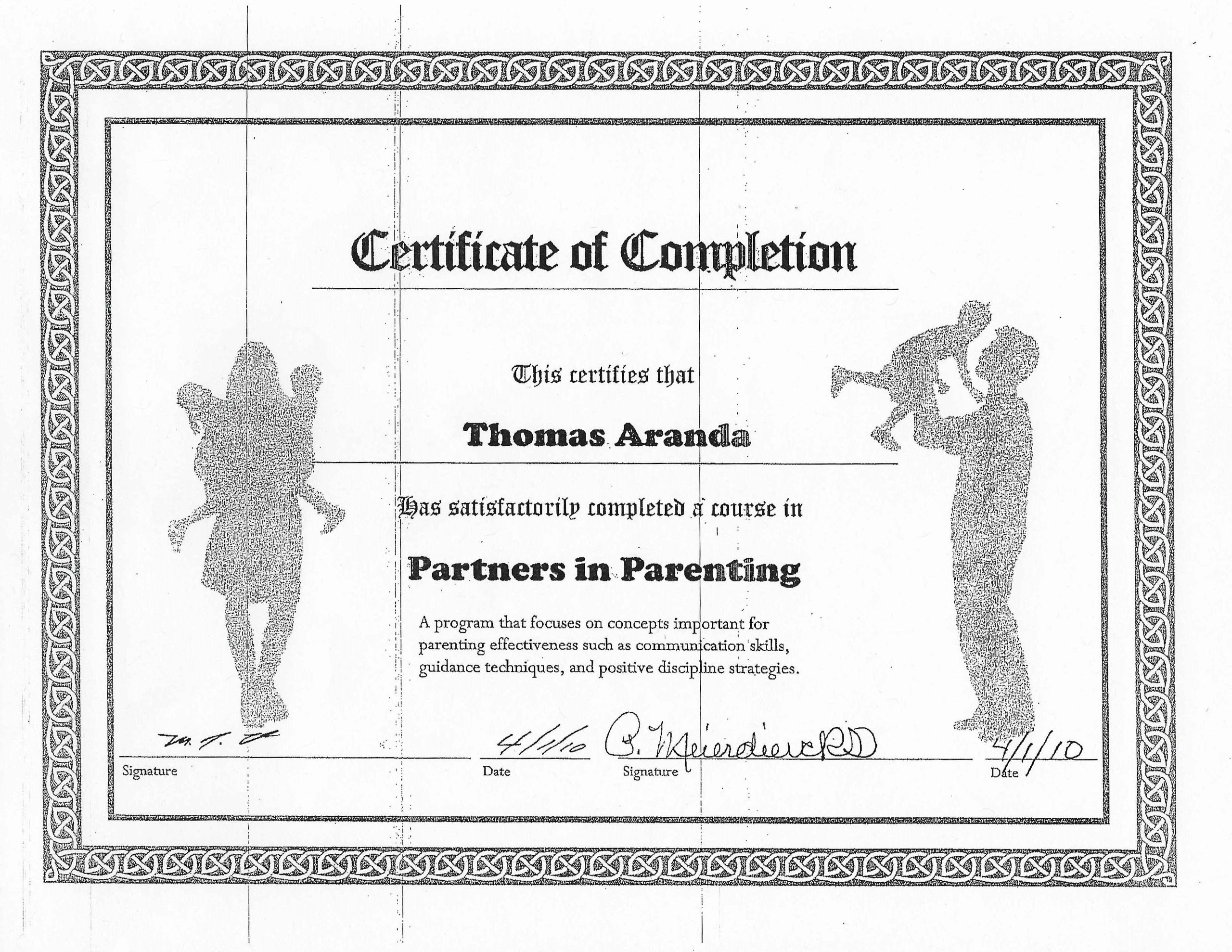
Thomas completed programming voluntarily. He trained as a peer-support counselor. He completed a substance-abuse evaluation in 2023. His record reflects growth over nearly two decades. His additional accomplishments and certificates are documented below.

giving back

Service from inside.

A Christmas drive. Taco handouts for people experiencing homelessness in Spokane. Music-therapy work with youth. A youth-refugee community event. He gives back from inside.

certified accomplishments

What he's earned inside.

Education, service, and personal growth — documented.

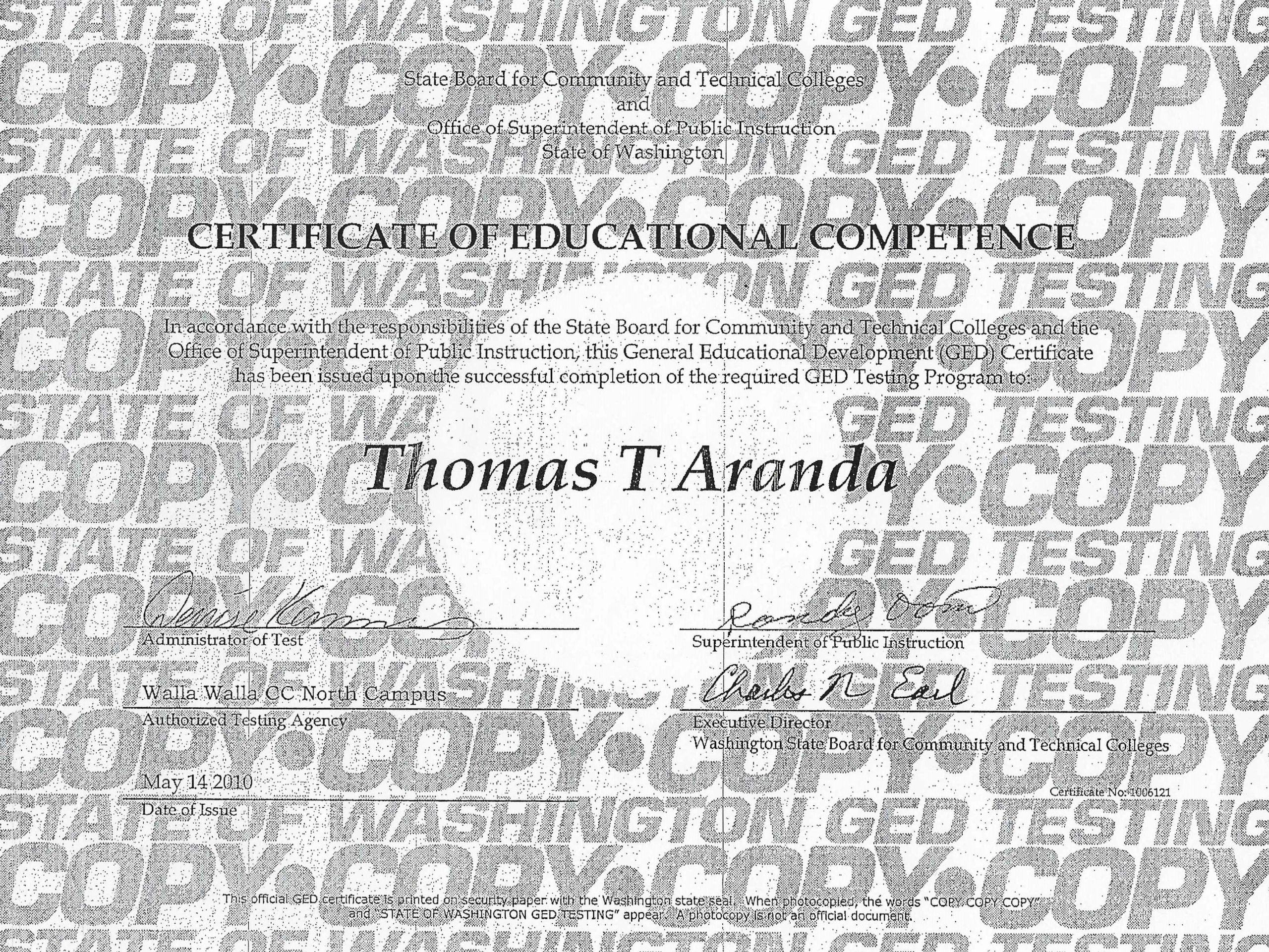
GED Certificate of Educational Competence
Certificate of Educational Competence (GED)State of Washington — May 14, 2010
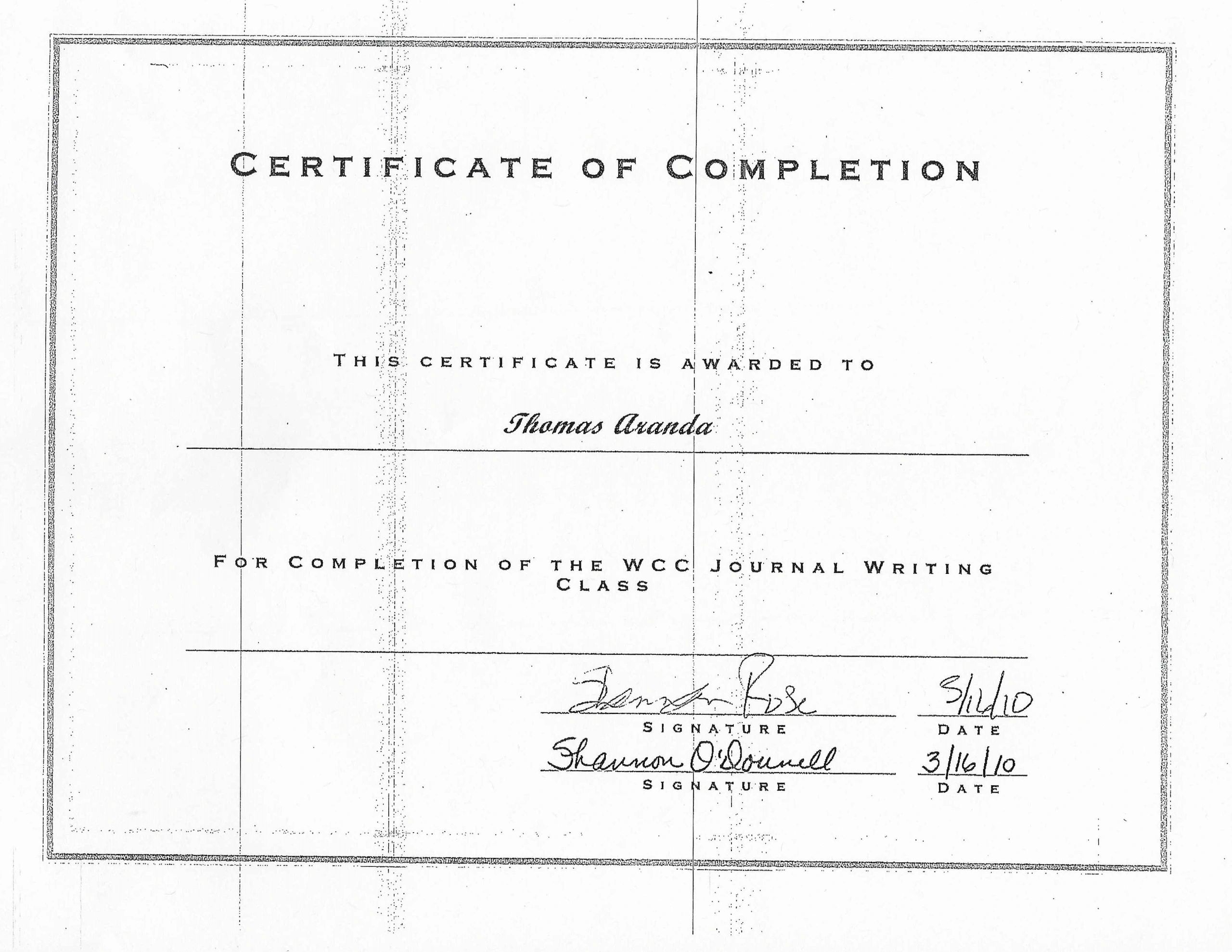
Journal Writing Class certificate
WCC Journal Writing ClassCertificate of Completion — March 16, 2010
Redemption Self Awareness Class certificate
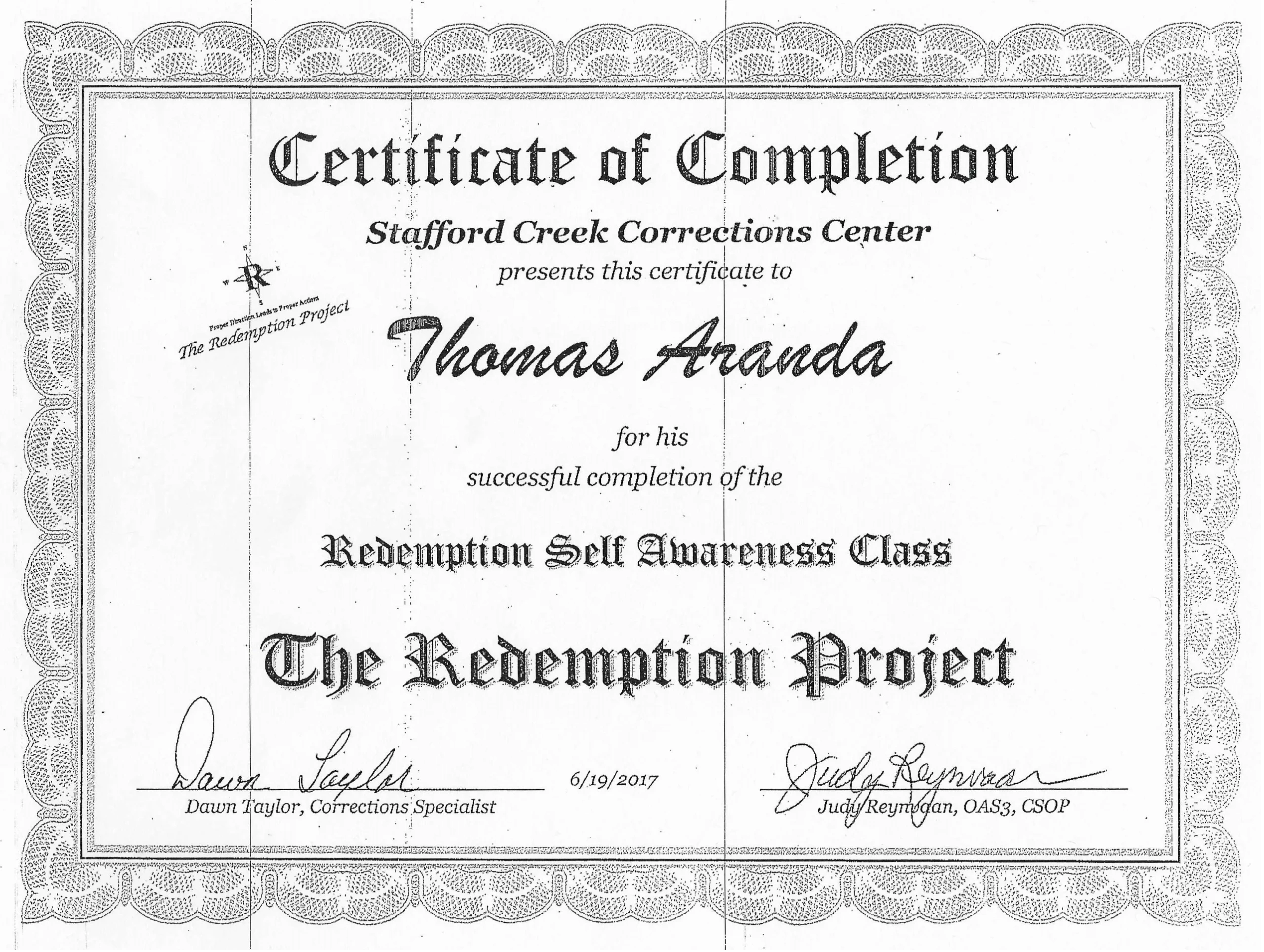
Redemption Self Awareness ClassStafford Creek Corrections Center — June 19, 2017
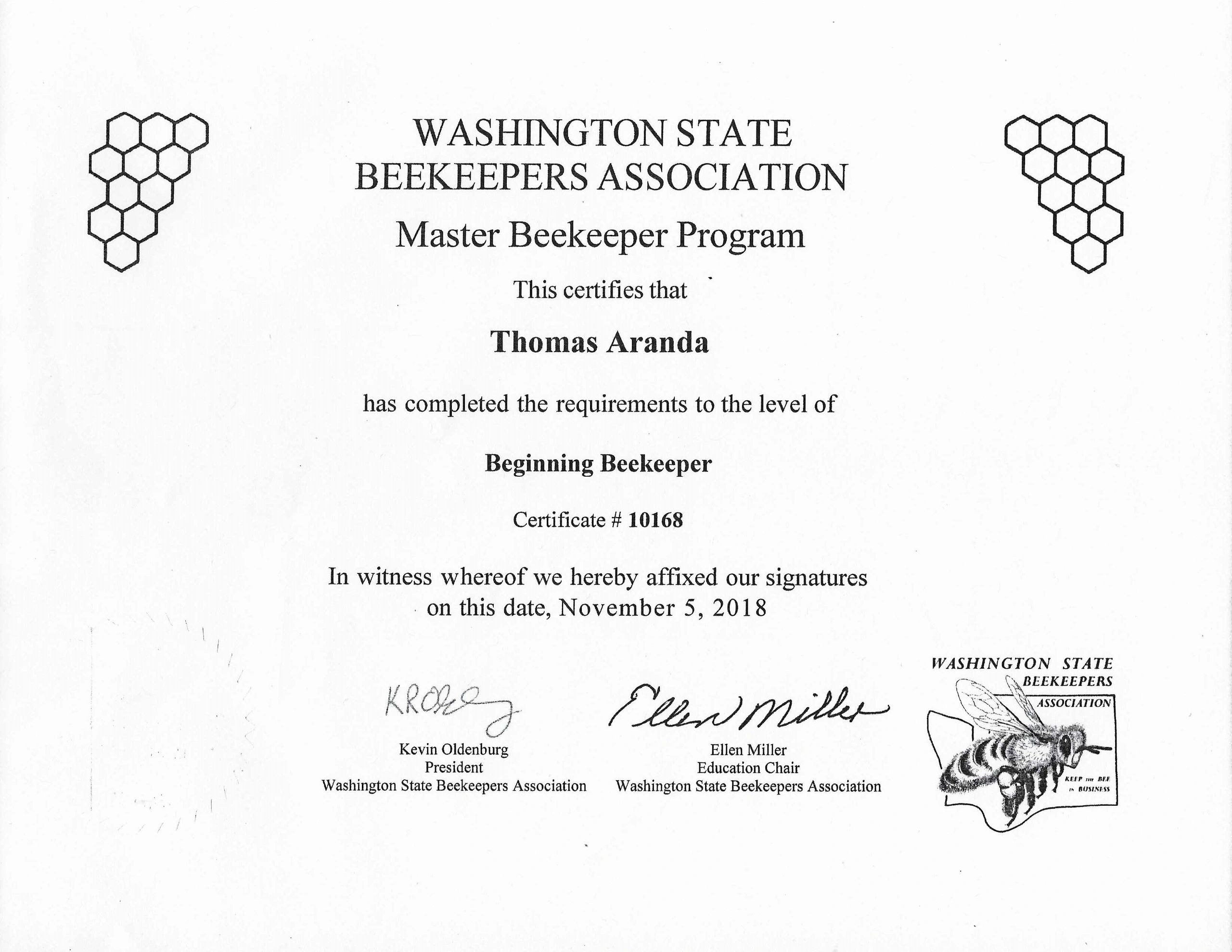
Beginning Beekeeper certificate
Beginning BeekeeperWA State Beekeepers Association — November 5, 2018
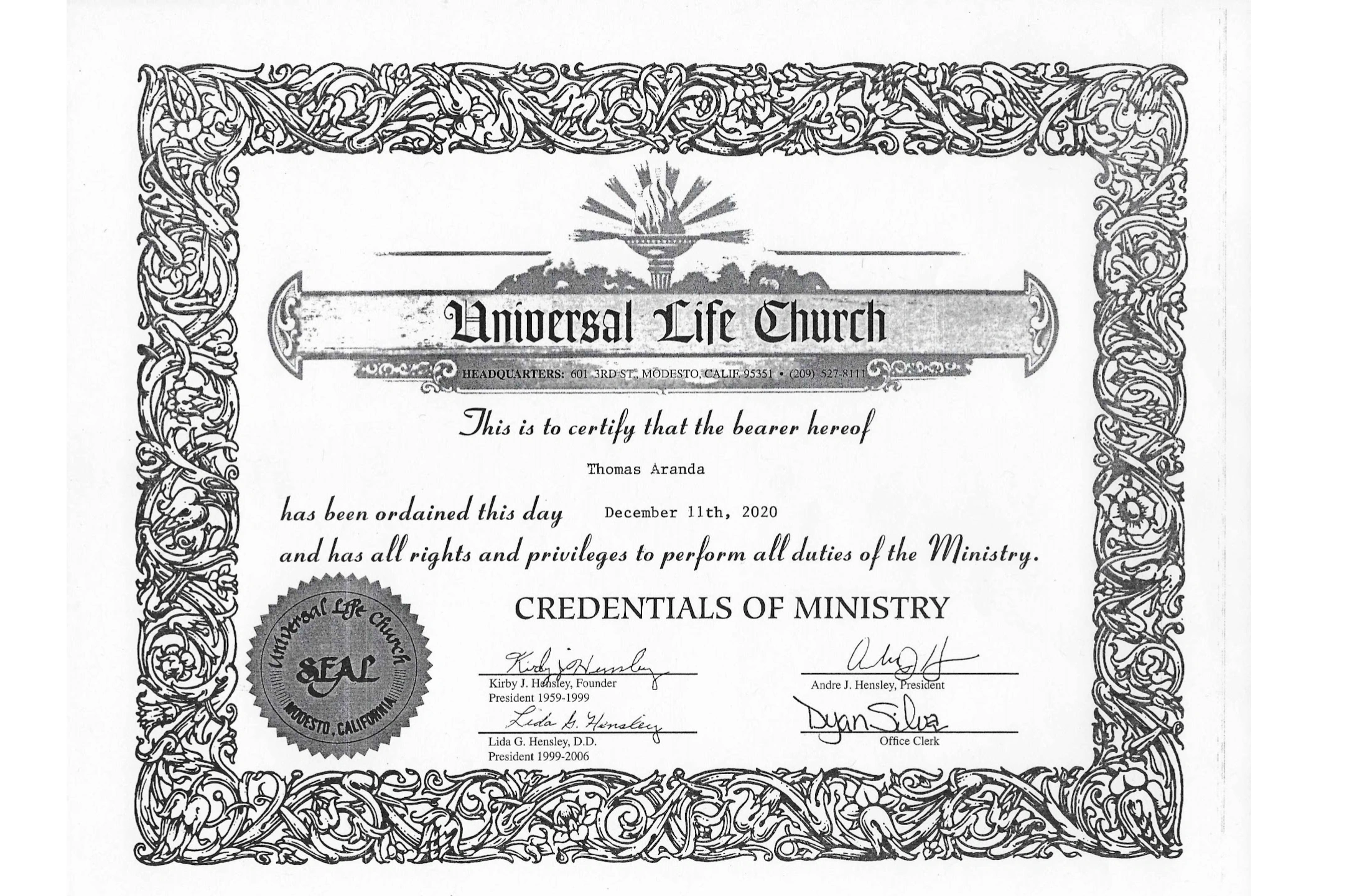
Universal Life Church ordination certificate
Ordained MinisterUniversal Life Church — December 11, 2020
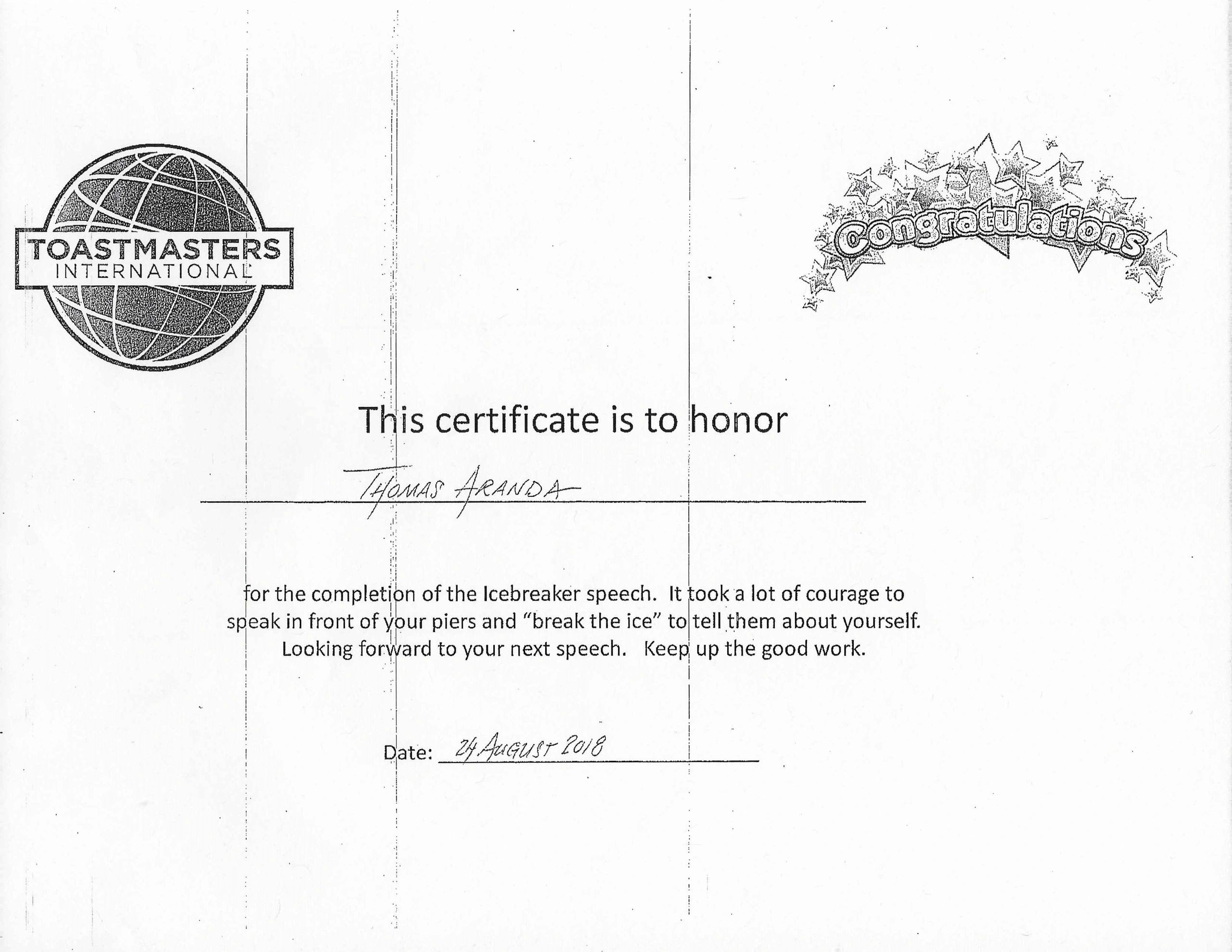
Toastmasters International
Toastmasters InternationalCommunication & leadership
GED testing documentation
GED Testing DocumentationState of Washington

giving back

Christmas, from Thomas.

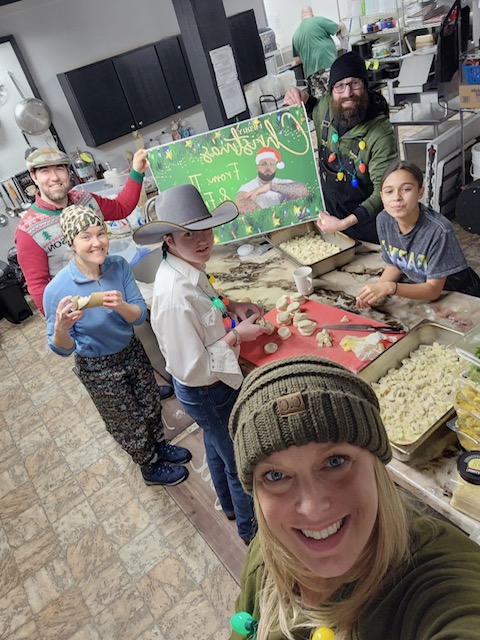
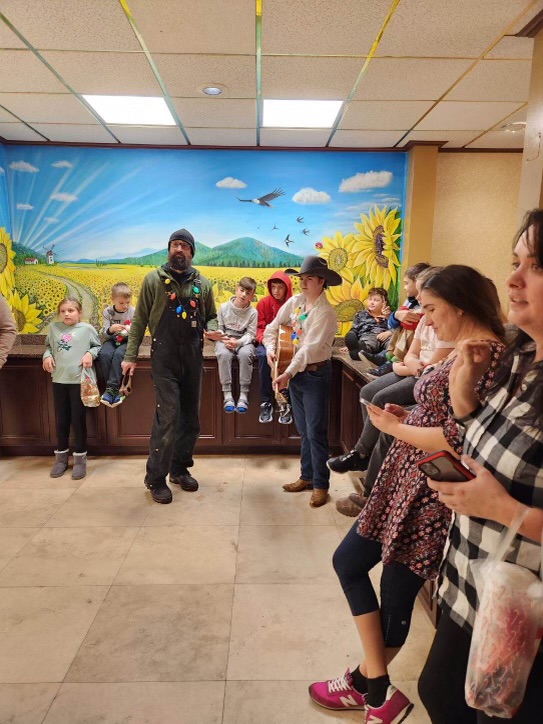
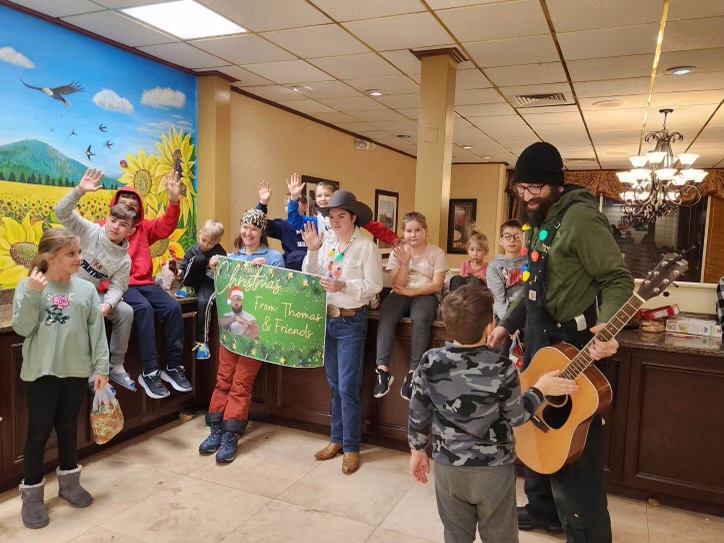
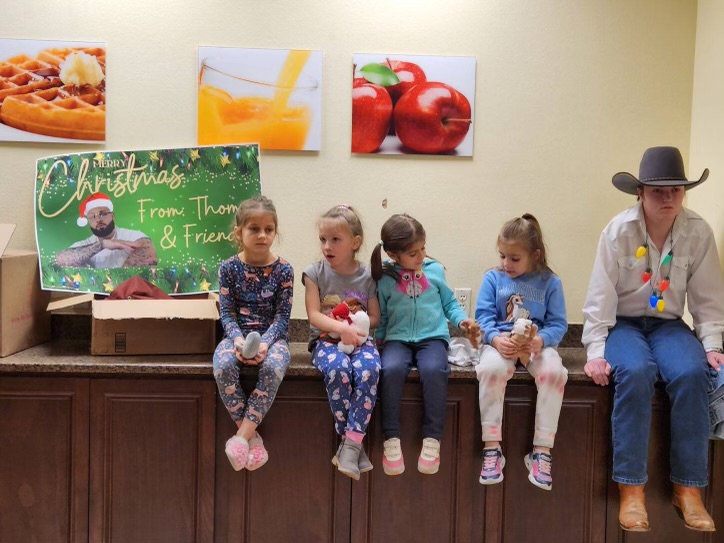
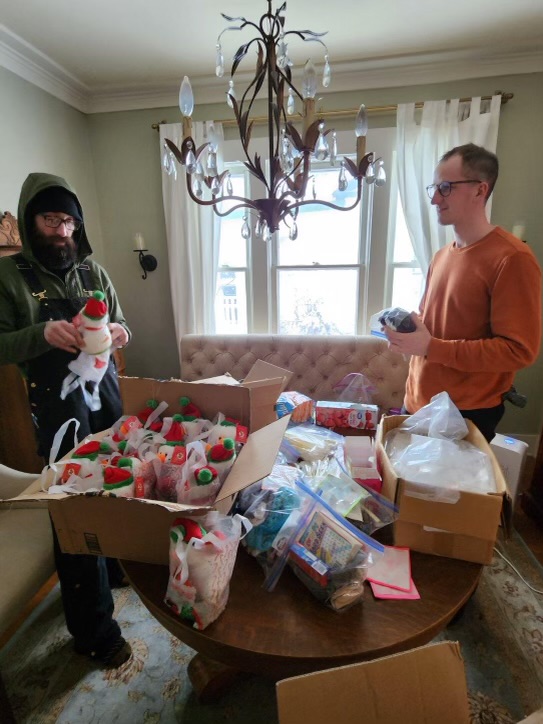
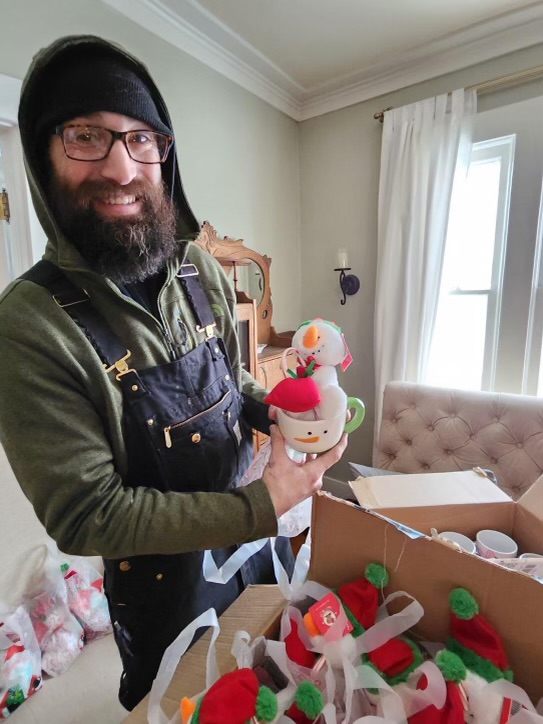
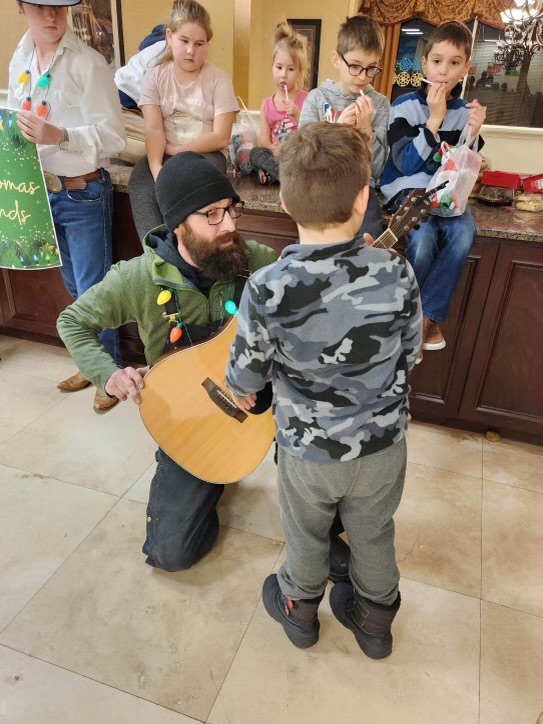
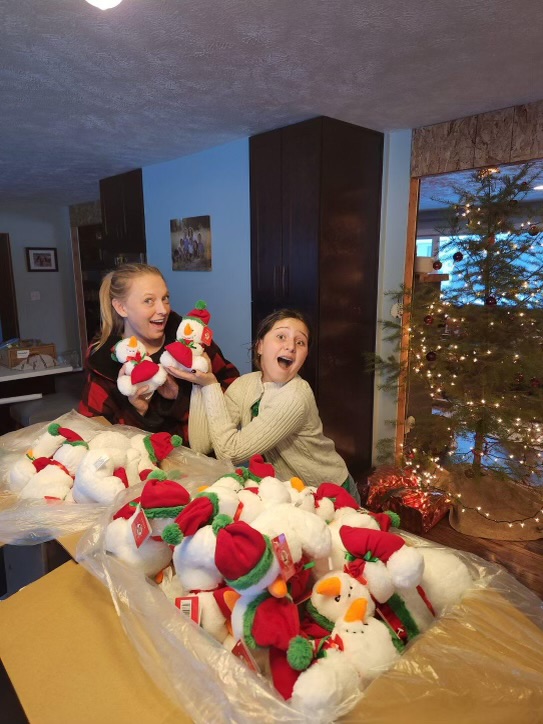
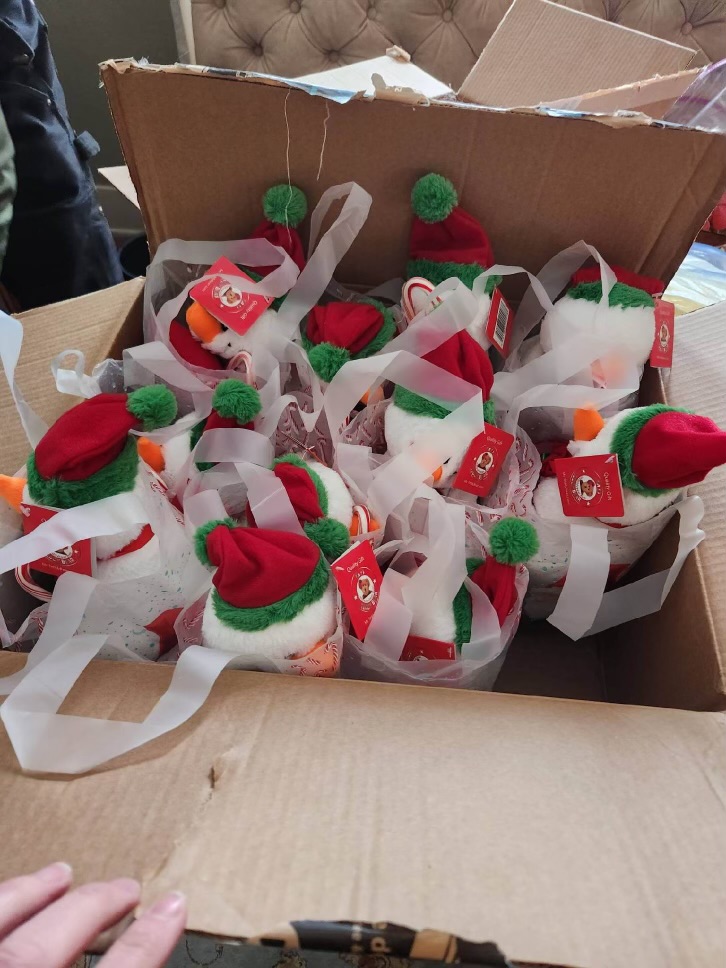
Thomas organized a Christmas drive for kids from inside — gifts packed, food made, and friends showing up.

Kitchen crew preparing food for the Christmas drive Gathering with kids at the Christmas event Kids holding the Christmas From Thomas and Friends sign Kids with Christmas gifts Packing Christmas gift bags Snowman gift mug Playing guitar for the kids Snowman plush Christmas gifts Box of Christmas gift bags ready for delivery

art with a purpose

Music used in service of youth.

Thomas creates original music as part of work focused on helping young people process emotions, choices, and consequences. He shares lessons drawn from his own life to encourage reflection, healing, and stronger decision-making.

For Thomas, the work turns art made inside into a conversation with young people outside: an opportunity to offer hard-earned perspective before another life follows the same path.

“I've never been an adult in the free world ever. I'm not standing here today because I feel like I deserve anything. I'm standing here asking for mercy.”Thomas — June 29, 2026

help write the next chapter

Justice is still possible — with help.

three more ways that move the case

Share

Send this site to one person who believes young people can change.

Help spread awareness

This fight moves in stages — hearings get scheduled, appeals get filed. Check the News page for updates as they happen, and talk about the DNA findings and youth sentencing with your circle.

Make a difference

Write a support letter or attend a hearing. Details are available through Contact.

write to thomas

Messages of support matter more than you know.

If you know Thomas personally, reach out through Contact and we will point you to the official steps. Messaging and visits run through DOC and Securus's official process; approvals are DOC's decision.

the fight, in real time

News & Updates

October 2026

This site launches.

Thomas's story is now public in one place: his childhood, the case in plain language, and the man he has become. Read it, share it, and help write the next chapter.

June 29, 2026

Resentencing in Chelan County.

The court imposed a sentence totaling 304 months to life — a 180-month minimum on Count 1, plus consecutive firearm enhancements. The defense had asked for time served — 18 years, 2 months, 5 days. Thomas and his counsel are preserving the central issues for appeal.

2026

Thomas keeps creating.

Thomas continues to write and record original music, using it for expression, reflection, and work that helps young people process emotions, choices, and consequences.

we read everything

Contact

Questions, support, media inquiries, and offers to help are welcome. Please do not send case documents through this form.

Write to us.

Prefer email? Write directly to [email protected].

before you write

Keep it useful.

Tell us how you know Thomas, what kind of help you can offer, or what you need for a media or research inquiry. Legal decisions and filings remain with Thomas and his Washington counsel.

The site does not publish Thomas's DOC number, visit schedules, victims' names or identifying details, or unredacted case documents.

frequently asked questions

What people ask.

Stafford Creek Corrections Center (Washington DOC). This site does not publish his DOC number or visit schedules.

Through DOC/Securus's official process — Securus eMessaging and Video Connect for approved contacts. If you know Thomas personally, contact us here and we will point you to the official steps.

No. This is a community advocacy site. Legal decisions and filings are made by Thomas and his Washington counsel. Nothing here is legal advice.

The Evidence page includes the full redacted public copy of the DNA expert's affidavit and a publicly redacted forensic consultant's recap. Third-party names, contact information, graphic details, and identifying material are withheld. Other reports, statements, and transcripts are not published here.

Appellate briefing and filing, certified transcripts and records, expert and mitigation work counsel requests, and supporter or witness travel counsel asks for. Commissary and packages are handled privately and not solicited here.